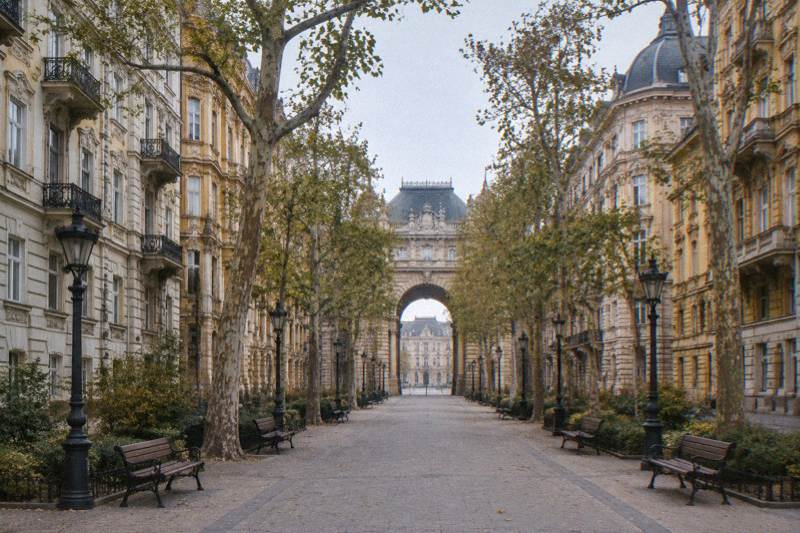
Can You Drink The Tap Water In Budapest?
Yes, you can drink the tap water in Budapest. A plain answer, plus what it means for the baths, bottled water and the free walking tours you can take afterwards.
Can You Drink The Tap Water In Budapest?
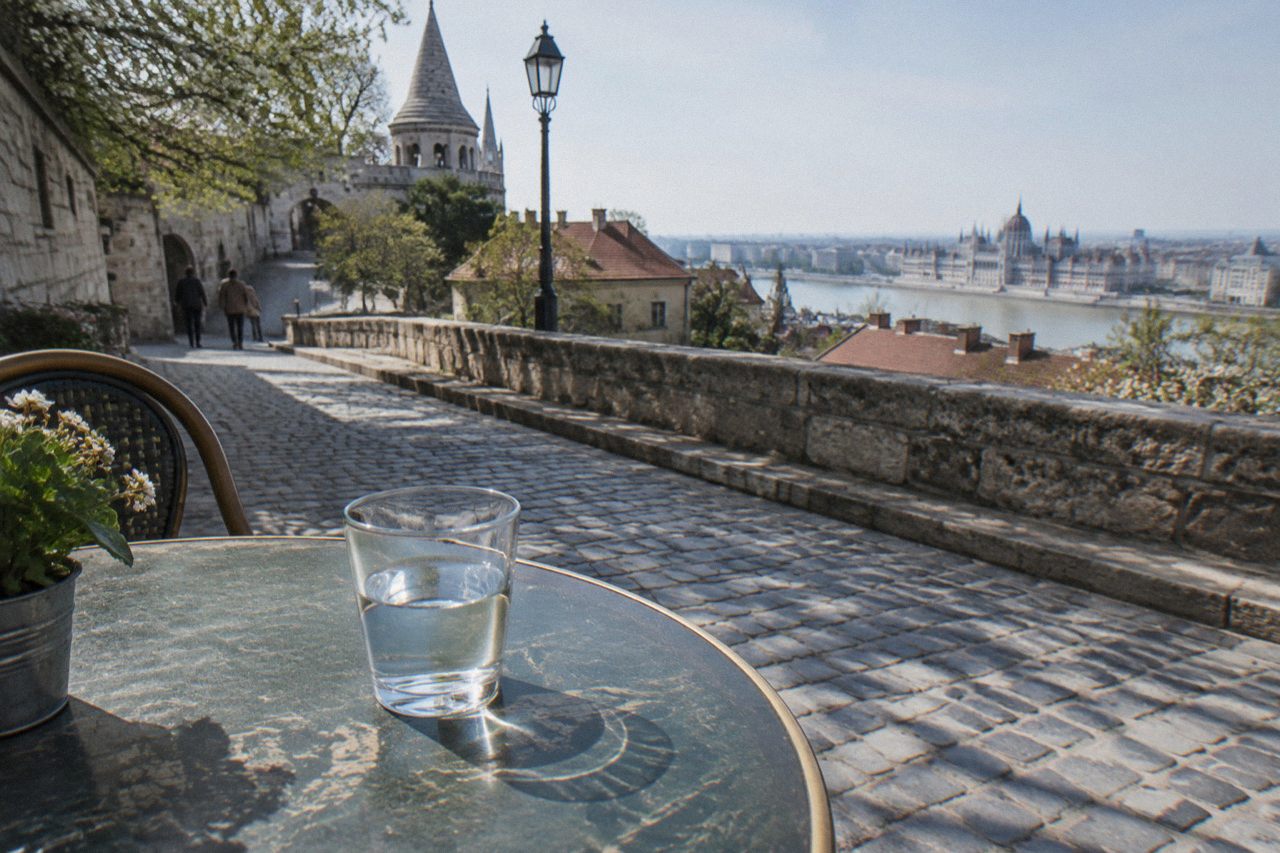
Yes, tap water in Budapest is safe to drink and meets all European Union quality standards, so you can fill your bottle straight from the faucet anywhere in the city. Locals drink it daily, and public drinking fountains are common during warmer months, making it easy to stay hydrated while sightseeing without buying bottled water. It is treated municipal drinking water, safe to drink straight from the tap, safe to cook with, safe for coffee and tea, and safe for brushing your teeth. There is no health reason to buy bottled water in Budapest, and refilling a bottle from the tap where you are staying costs nothing. The same supply serves hotel rooms, apartments and guesthouses across the city, so the answer does not change with the address.
That single answer removes one of the small recurring costs of a city trip. A bottle of water here and a bottle there adds up over several days, and in Budapest none of it is necessary. The tap in your apartment, your hotel room or your guesthouse is the same municipal supply, and it is drinking water. Fill a bottle before you go out, refill it when you come back, and the water line of your budget drops to zero.
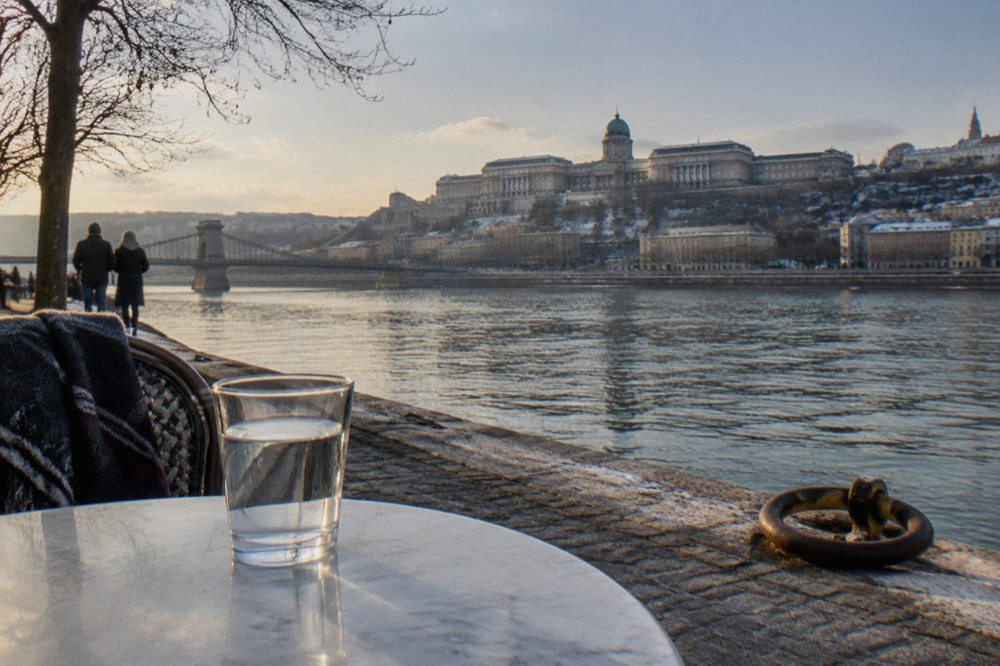
It also applies in the kitchen. Coffee, tea, ice, boiled vegetables, pasta, all of it starts from the same tap. There is no separate "cooking water" category to worry about, and no need to run a filter for safety reasons. If you prefer the taste of filtered water, that is a preference, not a health measure.
The question sits in a wider practical picture, and the rest of this article walks through it. First, what the answer means for the thermal baths, which are the one place in Budapest where water is abundant but not for drinking. Second, whether bottled water has any remaining role at all. Third, what to do with the money and the time you save, because Budapest has an unusually deep free side: 45 free walking tours listed across GuruWalk and freetour.com, plus squares, terraces, viewpoints and whole hillsides that cost nothing to walk.
What Can You Do For Free Once Your Bottle Is Full?
Once your bottle is full, Budapest keeps giving at no cost: stroll the Danube banks, cross the Chain Bridge on foot, wander Castle Hill's streets, relax on Margaret Island's lawns, browse the Great Market Hall, partly ticketed, and time your visit to catch the Parliament building glowing at dusk, all without spending a single forint. This site lists 45 free walking tours across GuruWalk and freetour.com, every one of them pay what you want, and the free ground around them includes the Parliament exterior and Kossuth Square, the lower terraces of Fisherman's Bastion, and the streets and ramparts of Buda Castle Hill. A full bottle and comfortable shoes carry the day, and nothing in that sentence needs a ticket, a pass or a reservation at any point.
The walks are the spine of it. Independent local guides run free, pay what you want tours on GuruWalk and freetour.com, meeting at recorded points across the city centre, the Castle District, the Jewish Quarter and the riverside. You reserve a place, you show up at the meeting point, you walk, and at the end you pay what you think the walk was worth. No walk on this site carries a price, a deposit or a required ticket.
If a castle morning is what you are drawing up, three Castle District walks stand out as a first pick. The Luna Tours English Castle Walk on GuruWalk is rated 4.67 out of 5 across 1,281 GuruWalk reviews, meets at Holy Trinity Square, lasts 2 hours 15 minutes and runs in English. The Castle Hidden Gems small group walk from Advanced Xperience Buda, rated 4.68 out of 5 across 737 GuruWalk reviews, meets at Hess Andras Square and runs in German, English, Italian, Russian and Turkish. The Interworld bilingual castle walk, rated 4.73 out of 5 across 445 GuruWalk reviews, meets at Szell Kalman Square and runs in English and Spanish.
For a fuller grounding in how the free walk model works, and how the pay what you want system behaves in practice, read a guide to the free walking tours in Budapest before you pick one. The short version: the walks are genuinely free to join, the guides are paid by what walkers choose to give, and the model is the same on both GuruWalk and freetour.com.
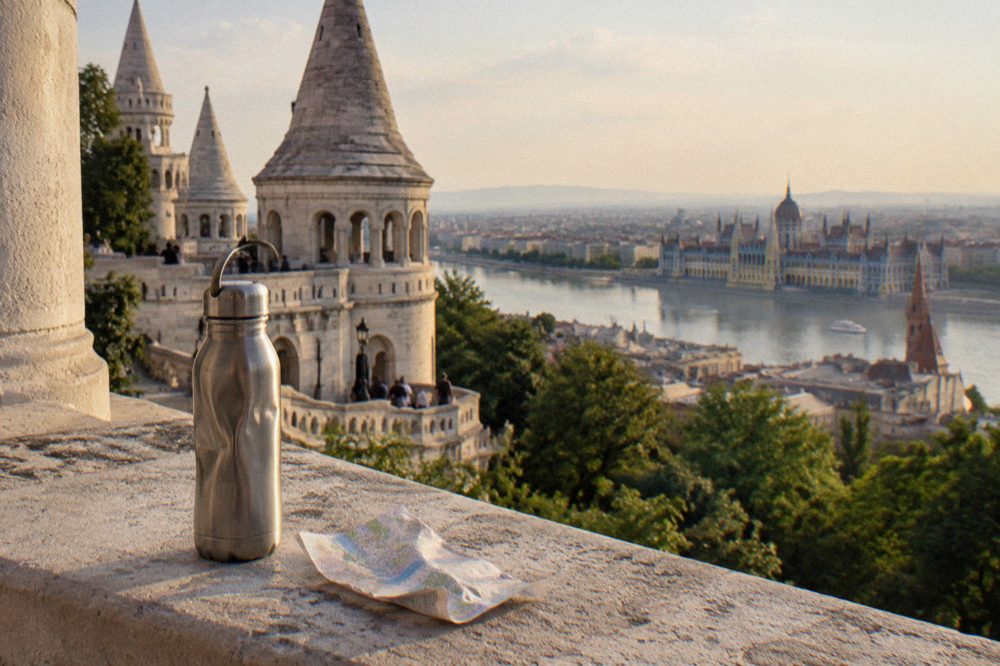
Water plays its small part in the plan. A two and a half hour walk in summer goes better with a bottle that started full at the tap, and the refill costs nothing. That is the whole contribution of this article's main fact to your day out: one less thing to buy, one less queue to stand in.
Is The Water In Budapest's Baths Drinking Water?
No, the water in Budapest's thermal baths is not drinking water and should never be swallowed. The baths are filled with mineral-rich thermal water drawn from deep underground springs, which is safe for soaking but not treated or intended for consumption. Visitors should bring their own bottled water to stay hydrated, and should avoid drinking any bath water, including water from pools, jets, or drinking fountains inside the bath complexes. Budapest's thermal baths are for bathing, and the tap in your accommodation is the water to drink. Gellért Thermal Bath is closed, with reopening planned for 2028, and Széchenyi Thermal Bath is a paid bath, from HUF 13,200 for a weekday daily ticket with locker. Drink from the tap, bathe in the baths, and keep the two separate, because the two water systems serve two entirely different purposes and neither substitutes for the other.
The distinction matters because Budapest is famous for water in both forms. The city's tap water is municipal drinking water, and the city's thermal baths draw mineral-rich thermal water for soaking. The baths are a paid, ticketed experience with their own price lists, and the tap is free and unlimited. Visitors sometimes arrive expecting a single unified "Budapest water" story, and the honest answer is that there are two, with two different purposes.
Gellért deserves its own sentence, because it catches people out. The bath closed on 1 October 2025 and its operator plans to reopen in 2028, so it is neither free nor paid right now, it is simply shut. The bath's own page recommends Széchenyi Thermal Bath in the meantime. Széchenyi is a paid bath, and a weekday daily ticket with a locker starts at HUF 13,200. Neither of those facts touches your drinking water, which still comes out of the tap at no cost.
If you were building a day around water in both senses, the shape is simple enough. Fill the bottle at the tap, walk a free tour in the morning, and treat any bath visit as a separate, ticketed afternoon with its own budget line. The Gellért closure runs to 2028, so check the bath's own page before planning anything around it.
Do You Need Bottled Water In Budapest?
No, you do not need bottled water in Budapest. The city's tap water is safe to drink and meets all quality standards, so you can fill a reusable bottle from the tap or public drinking fountains throughout the city. Buying bottled water is unnecessary unless you simply prefer the taste or want carbonated water, which is popular among locals. The tap water is drinking water, so a refillable bottle covers a whole day at no cost, and the money question in Budapest is not water at all. It is the paid interiors: the Parliament visit, the Bastion's upper terraces, the museums and the baths, each with its own prices and its own rules. Water is the one line item you can delete outright from a Budapest budget, and everything else around it is a mix of free ground and paid interiors.
The honest budget picture is that the split is consistent enough to plan against. The table below sets out the pairs as they actually stand. A tower, a museum or an interior never inherits the free status of the hill, the square or the street it stands on, so each row carries both facts.
| Sight | Free part | Paid part |
|---|---|---|
| Hungarian Parliament | Exterior and Kossuth Square, free to walk | Interior is a paid guided visit for everyone: EEA HUF 7,000 (students 6-24 HUF 3,500), non-EEA HUF 14,000 (students HUF 7,000), under 6 free |
| Fisherman's Bastion | Lower terraces, free at all times | Upper terraces and turrets HUF 1,700 in the listed paid periods, free on 15 March, 20 August, 23 October and 24-31 December |
| Citadella | Park, wall viewpoints, promenade and Liberty Statue | Bastion of Liberty exhibition and Roof Garden 360, adult HUF 4,900 |
| Matthias Church | Exterior | Interior HUF 3,400, tower HUF 4,000, separate tickets |
| Buda Castle Hill | Streets, ramparts, open courtyards, the free stairs | Hungarian National Gallery, Budapest History Museum Castle Museum, the funicular |
| Széchenyi Thermal Bath | None | Weekday daily ticket with locker from HUF 13,200 |
| Gellért Thermal Bath | None | Closed since 1 October 2025, reopening planned for 2028 |
Read the table as a spending map rather than a warning. The free column is a full day of walking on its own, and the paid column is a set of clearly priced, clearly optional interiors. Nothing in the paid column is water you need to drink, and nothing in the free column requires a ticket, a pass or a reservation.
For the wider question of what a Budapest trip costs once the essentials are settled, it is worth reading whether Budapest is a cheap city, because the answer shapes how many of the paid interiors you fold in. The short version from this table: the streets are free, the interiors are priced, and the tap covers every drink you need. The rest of Free Things To Do In Budapest is built around exactly that split, sight by sight.
Which Free Walking Tours Start In The Castle District?
Several free walking tours start in the Castle District, and all of the English-language options meet at a recorded meeting point. This means visitors can simply show up at the designated spot at the scheduled time and reserve a free spot on GuruWalk or freetour.com and pay nothing in advance. Luna Tours, Advanced Xperience Buda, Interworld Tours and the independent guide Matthew all run free, pay what you want walks from Castle District meeting points on GuruWalk, rated between 4.67 and 4.91 out of 5, and each of the four runs in English. Spanish, Italian, German and Turkish options sit alongside them, and the table below gives each walk's platform, rating, duration, language and meeting point exactly as its listing states them, with no figures taken from anywhere else.
The Castle District is where the free walking offer is densest relative to the ground it covers. Four English-capable walks meet at four different recorded points, Holy Trinity Square, Hess Andras Square, Szell Kalman Square and Matthias Church, and the choice between them comes down to duration, language and the meeting point that suits your route.
| Walk | Platform | Rating and reviews | Duration | Language | Meeting point |
|---|---|---|---|---|---|
| Luna Tours English Castle Walk | GuruWalk | 4.67 out of 5 across 1,281 GuruWalk reviews | 2 hours 15 minutes | English | Holy Trinity Square |
| Castle Hidden Gems, Small Groups | GuruWalk | 4.68 out of 5 across 737 GuruWalk reviews | 2 hours | German, English, Italian, Russian, Turkish | Hess Andras Square |
| Interworld Bilingual Castle Walk | GuruWalk | 4.73 out of 5 across 445 GuruWalk reviews | 2 hours 30 minutes | English and Spanish | Szell Kalman Square |
| Castle Underground Hidden Gems | GuruWalk | 4.91 out of 5 across 559 GuruWalk reviews | 2 hours 15 minutes | English | Matthias Church |
The Luna Tours English Castle Walk is the natural first pick for an English-speaking visitor. It runs on GuruWalk, is rated 4.67 out of 5 across 1,281 GuruWalk reviews, lasts 2 hours 15 minutes, meets at Holy Trinity Square in the Castle District, and is free, pay what you want. You can read the full listing for the Luna Tours English Castle Walk on its own page, and reserve a place there.
For a walk that leans into what sits underneath the hill, the Castle Underground Hidden Gems walk from the guide Matthew is the other English standout. It runs on GuruWalk, is rated 4.91 out of 5 across 559 GuruWalk reviews, lasts 2 hours 15 minutes and meets at Matthias Church in the Castle District. Like every walk on this site, it is free to join and pay what you want at the end.
Two things carry over from the tap water question into a castle morning. The first is the bottle: a two and a quarter hour walk goes better with water you filled for free. The second is the stairs, which matter more than water for getting up the hill, and they are covered in the next section.
What Is Free To See Around Buda Castle Hill?
Yes, walking around Buda Castle Hill costs nothing, since the hilltop area, its viewpoints, and its outdoor streets are all free to explore. The historic lanes, panoramic terraces, and castle exteriors can be enjoyed without a ticket, though the museums and interiors inside the buildings require paid admission. Walking Buda Castle Hill's streets, ramparts and open courtyards costs nothing, and the stairs up are free even while the funicular does not run between 5 and 16 October 2026. The Hungarian National Gallery, the Budapest History Museum's Castle Museum, the Matthias Church interior at HUF 3,400 and its tower at HUF 4,000 are separate paid records, and none of them inherits the free status of the streets and ramparts that surround them.
The hill is the clearest example of the two-facts pattern that runs through this whole article. The ground you walk on is public and free: streets, ramparts, open courtyards, and the stairs that connect the river level to the top. The buildings you enter are not: the Hungarian National Gallery and the Budapest History Museum's Castle Museum are paid, and no free rule exists for either. Matthias Church keeps its exterior free while the interior and the tower sell separate tickets. Nothing about the hill's free streets changes any of that.
The funicular belongs in the same sentence as the stairs, because one replaces the other. The Buda Castle Funicular is a separate BKV ticket, and it does not run between 5 and 16 October 2026, along with the Zugliget Chairlift. The stairs up Castle Hill are free, and they keep working through every one of those closure windows. For the full breakdown of what the hill costs to enter, read what Buda Castle costs to enter, which covers the free ground and the paid interiors in one place.
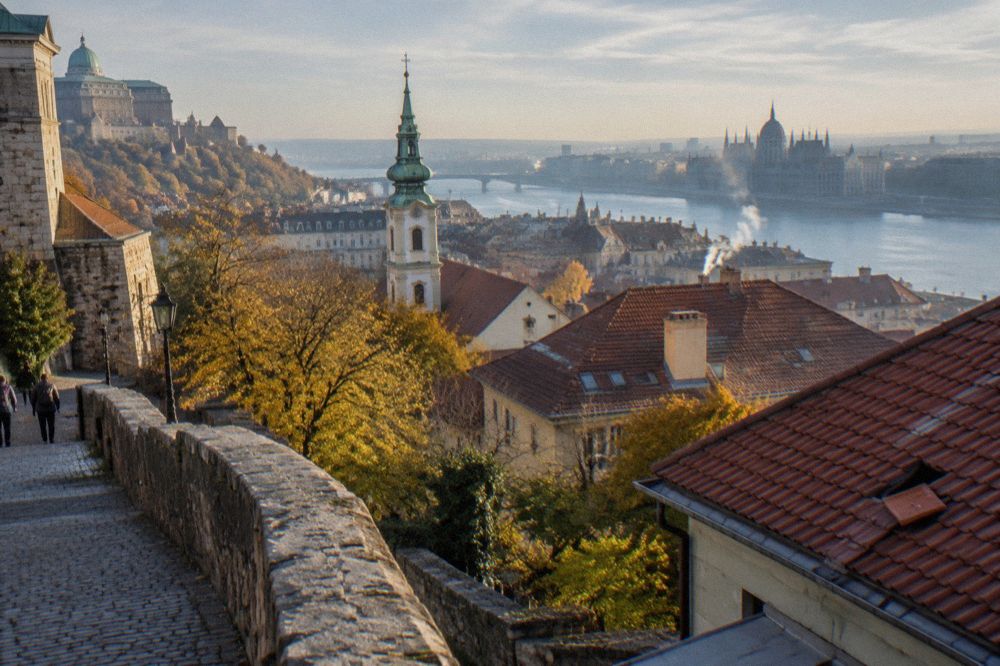
The water angle on the hill is modest but real. The climb is the one stretch of a Budapest day where a bottle genuinely earns its place in the bag, and the bottle was filled at the tap for nothing. The Gellért hillside sits across the river with its own free ground: the Citadella park, its new viewpoints on the fortress walls, the promenade and the Liberty Statue are all free of charge, while the Bastion of Liberty exhibition and the Roof Garden 360 need a ticket at HUF 4,900 for an adult. The same split, on the other bank.
If the castle morning ends with a walk booking, the three Castle District walks below are the ones this article has already introduced, each on its own page with its meeting point, duration and rating. All of them are free, pay what you want, and all of them run in English.
Common Questions About Tap Water In Budapest
Can You Drink The Tap Water In Budapest?
Yes. Budapest's tap water is treated municipal drinking water, safe to drink, to cook with, to make coffee and tea with, and to brush your teeth with. There is no health reason to buy bottled water, and refilling a bottle from the tap where you are staying costs nothing.
Can You Drink Tap Water In Budapest Hotels And Apartments?
Yes. Hotel rooms, apartments and guesthouses all draw from the same municipal supply, and it is drinking water. Fill a bottle from the bathroom or kitchen tap before heading out for the day.
Is Ice In Budapest Drinks Safe?
Yes. Ice in Budapest is made from the same tap water, which is drinking water. There is no need to ask for drinks without ice on safety grounds.
Is The Water In Budapest's Thermal Baths Safe To Drink?
The baths are for bathing, not drinking, and your drinking water comes from the tap. Gellért Thermal Bath is closed, with reopening planned for 2028, and Széchenyi Thermal Bath is a paid bath from HUF 13,200 for a weekday daily ticket with locker.
Where Can You Refill A Bottle For Free In Budapest?
At the tap where you are staying. The municipal supply is drinking water, so the accommodation tap is the free, unlimited refill point for a day of walking. A refillable bottle covers a full day out at no cost.